
Big oil’s dirty secret in Iraq
Published on 29.09.2022
Ali, who spoke to BBC reporters in Iraq, is 19. He is thin and delicately built. He wears a face mask most of the time when out and about, both to protect his weakened immune system from the ongoing pandemic and to give him some kind of shield from the pollution that surrounds him.
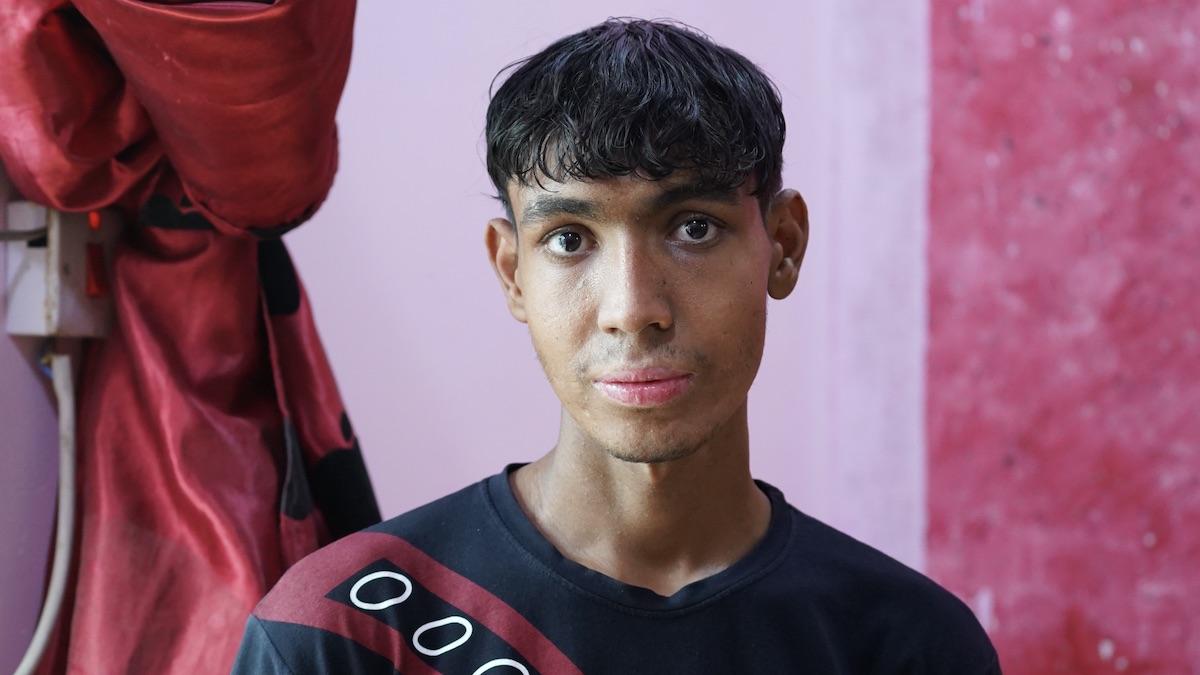
He has recovered from leukaemia, which he and his family attribute to the pollution from the oil industry they live alongside. The BBC filmed him with friends in Basra, as he showed them photos from his time in hospital.
“That's in Iran, look. This is after the chemo - I lost my eyebrows.”
“Even your eyebrows fell out?” a friend asked.
“Yes.” He flicked to the next picture, then another.
“This was when I played football for Zubair before I got sick. Here I was sick. I was so weak.”
“Look how much you've changed.”
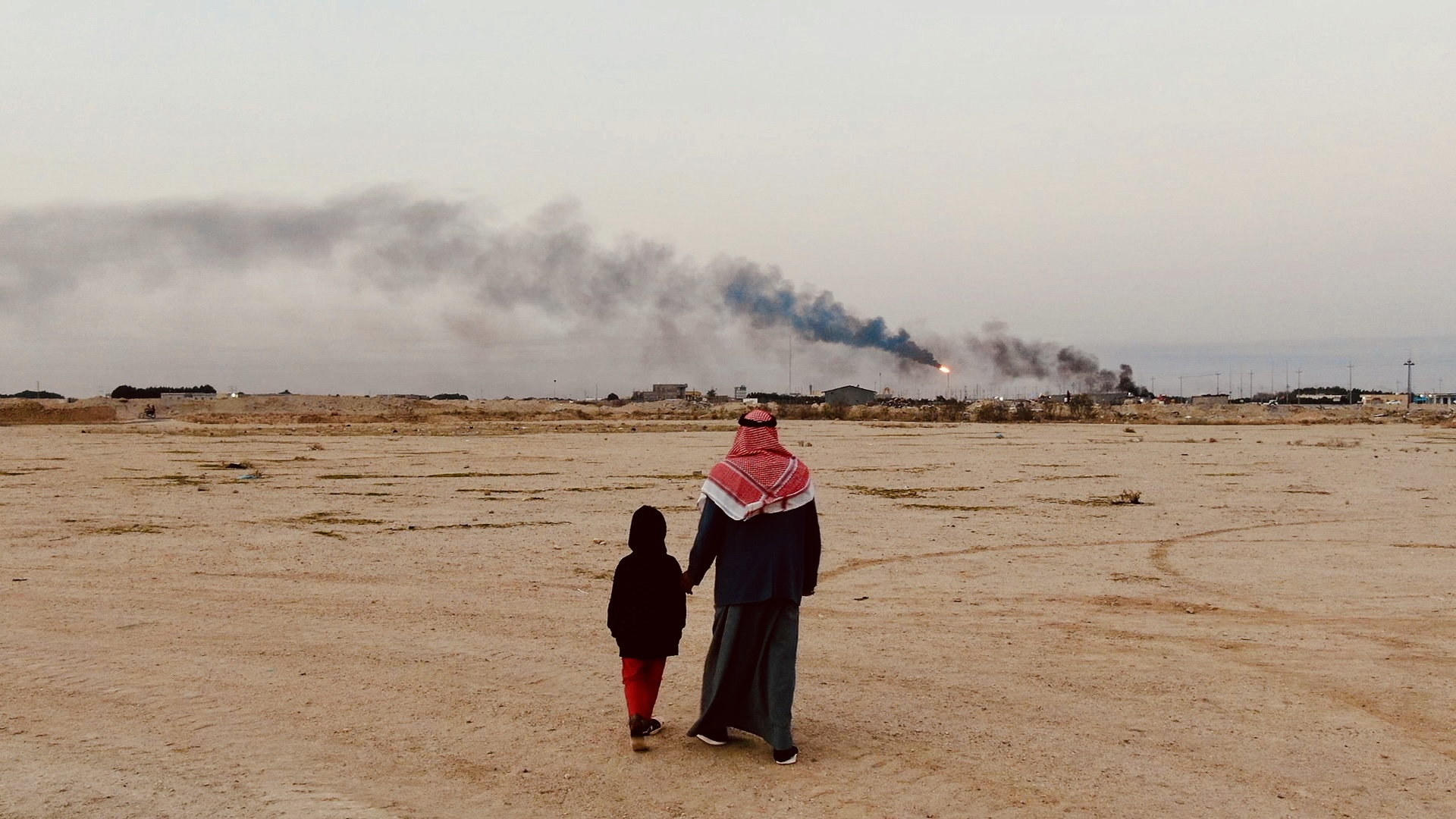
Ali’s home town of Rumaila shares a name with one of the world’s largest oil fields. His neighbourhood is filled with speedily constructed single-storey homes and businesses. Half the area is known locally as “shadow town”, due to the intermittent supply of electricity. The air is often thick with a blend of desert sand and fumes from the nearby oil wells.
Rumaila, the oil field, produces the equivalent of 1.45 million barrels of oil a day (boe/d) — about a third of Iraq’s total oil production — and holds estimated reserves of 17 billion barrels. Driving from one end of the field to the other takes about three hours, excluding time spent waiting at checkpoints guarded by armed militias.
BP became the lead contractor at Rumaila field in 2009. Some oil contracts entitle companies to a percentage of all the money generated by a field. This is not the case in Iraq, where BP is instead paid a fee by the government each year, which BP takes as allocations of oil. BP still makes hundreds of millions of dollars from Rumaila — in 2020 its post-tax profit from the field was $358m.
It boasts on its website of its long history in Iraq and talks of “helping to lay the foundations for long-term success” in the country. What it does not mention is that gas flaring at Rumaila is staggeringly high, despite repeated promises to fix the issue.
What is gas flaring?
In much of the world, gas produced during oil production would be processed and then used for power generation, or reinjected to force more oil out of the ground. But in some places, a lack of infrastructure means this gas has nowhere to go and so is set alight or vented into the atmosphere. In Iraq, a country impoverished by conflict, the vast majority of gas produced during oil production is flared.
On a global scale, flaring is a major source of methane, a superheating greenhouse gas 84 times more potent than carbon dioxide during its first 20 years in the atmosphere. Cutting methane emissions is seen as an effective way to prevent runaway global warming.
President Biden has described stopping methane leaks and flaring as a way of “addressing two problems at once” — hitting global warming and easing the current global energy crisis. Methane is the main component of natural gas, a key energy source.
There is no official, publicly available record of gas flaring at Rumaila. That’s also true for the rest of Iraq’s oil infrastructure.
The World Bank, as part of an effort to track worldwide flaring, uses data from the US National Oceanic and Atmospheric Administration, which has heat-detecting satellites that measure fires from lit flare stacks. Unearthed analysed the World Bank's figures and cross-checked them with independent organisations.
Rumaila flared 3.39 billion cubic metres (bcm) of gas last year, emitting 9.5 million tonnes of CO2e, according to our analysis of World Bank data.
BP’s share of flaring emissions from Rumaila — based on its participating interest in the field’s operating company of 47.6% — stood at 4.52m tonnes CO2e in 2021. That’s close to double the emissions caused by flaring from the entire UK oil industry the same year. It’s also comparable to the annual emissions of over 970,000 petrol cars.
BP claims to be making progress reducing flaring and has pledged to stop the practice for everything but emergencies by 2030. But Unearthed has learned that the company does not include Rumaila in its annual flaring emissions figures because it classifies Rumaila as a non-operated asset.
While the field is owned by the state-owned Basra Oil Company, until June 2022 the field’s official operator was the Rumaila Operating Organisation (ROO). ROO and BP were closely connected: BP held a 47.6% participating interest in the company and the company counted several current and former BP staffers among its senior team. This summer, a company established and owned by BP and PetroChina, the Basra Energy Company, began to manage the field. Unearthed understands that BP is the primary contact point with the Iraqi state about matters related to the field, and workers at the field told the BBC that BP called the shots at the project.
BP argues that as it is not technically the operator of Rumaila, it does not have to include Rumaila’s emissions in its annual climate impact reports. The company pointed out to Unearthed that this stance is “in line with standard practice across the oil and gas industry” and follows emissions reporting guidelines drawn up by Ipieca, an industry trade body. If it did count Rumaila, BP’s worldwide flaring emissions for 2021 would be doubled.
A BP spokesperson said: “BP does not have any ownership interest in the Rumaila field, or any right to the oil it produces, and has never been its operator. Its flaring and operational data are therefore not included in our reporting.”
Some industry observers argue that the current rules on reporting emissions leave investors with an incomplete picture of a company’s climate impact.
Dominic Watson from the Environmental Defense Fund told Unearthed: “The outdated industry practice of reporting revenue — but not climate pollution — from joint venture assets is no longer acceptable. It’s time that all companies extend their emissions reduction targets, strategies, and reporting to 100% of their production volumes.”
Flaring expert and founder of Capterio Mark Davis said: “Today’s reporting convention — which excludes flaring from ‘non-operated’ assets — limits the visibility into the actual emissions associated with companies, meaning that investors are partly blindsided about the full scale of greenhouse gas impact of their activities.”
BP’s global flaring emission figures for 2021 would double if they included Rumaila
This investigation also learned, via internal documents and leaked materials, that flaring remains high at Rumaila despite BP signing commitments to limit it.
A leaked internal ROO document obtained by the BBC, signed by a senior BP official, stated that the company would “take account of the need to design an efficient flare system”.
The same document, dated 2013, pledged the firm would take action to minimise flaring and venting and committed to limiting emissions from flaring to less than 10,000 tonnes CO2e a year — many times lower than actual flaring emissions from the field.
Iraq’s oil minister Ihsan Abdul-Jabbar Ismail told the BBC: “We instructed all the contracted companies operating in the oil fields to uphold international standards and reduce methane emissions. The Western companies should respect these standards more than most.”
In a statement, BP said: “Flaring of the gas that is produced alongside oil at Rumaila is a significant challenge that ROO is taking steps to address. Progress has been made in recent years.”
This issue is bigger than BP. There are other fields where, owing to this “non-operated” loophole, international oil companies can earn hundreds of millions of dollars without declaring the related emissions to their shareholders or the wider public.

‘Poisonous gases’
Flaring has been a feature of the Iraqi oil industry for decades but ramped up when foreign companies re-entered the country after the 2003 invasion and began increasing production.
Despite the country's abundant fossil fuel reserves, most Iraqis struggle with power cuts and the country is heavily dependent on neighbouring Iran for electricity generation.
While in southern Iraq, the BBC saw flare stacks at multiple oilfields emitting black smoke. Experts said this indicates inefficient and highly polluting flaring.With the help of open-source specialists McKenzie Intelligence Services, Unearthed was able to confirm that the facility shown in the video is a gas compression station in north Rumaila. Active flares emitting thick plumes of black smoke can be seen in satellite images at the site on several days in 2022, meaning the scene in the video is by no means a one-off event.
“Instead of burning this gas it could be captured and used to power our homes, like in other countries,” argued Dr Shukri Al-Hassen, an Iraqi environmental scientist.
“Investing in this gas could be worth billions a year to Iraq and would put an end to endless power cuts we experience here, especially in summer when temperatures in Basra exceed 50C.”
International organisations such as the World Bank have invested millions in trying to help Iraq make better use of its gas. The government has committed on several occasions to end “routine flaring” — or flaring in non-emergency circumstances — and has signed up to a World Bank plan to stop the practice, alongside several oil companies, including BP. No progress has been made and today Iraq is the second highest flarer in the world, behind Russia.
For people living near oil fields, flaring creates intense levels of pollution, which locals link to serious health problems, including cancer.
But satellite imagery shows many flare stacks dotted around the town within a 5km range of residential areas.
The proximity of the flares to where people live becomes even more obvious when you look at the area at night and focus on heat sources.
‘Nobody speaks out'
Flaring gas produces dangerous chemicals known as volatile organic compounds (VOCs), including benzene, a carcinogen also found in cigarettes.
It’s partly for public health reasons that flaring is restricted in richer parts of the world. Just five days of unplanned flaring at an ExxonMobil-owned chemical plant in Scotland in April 2019 triggered national news coverage and a report by the local NHS health board.
Luay Al-Khateeb, Iraq’s former oil minister, told Unearthed that there is a belief that flaring is linked to health problems in southern Iraq.
“There's a link, definitely. As for the awareness, there's very little. The link is clear. You're talking about poisonous gases being flared in the air,” he said.
“These particles and so on are penetrating our lungs and our bodies… quite frequently when I monitor the local news, it's clear the number of cancer cases in the south are on the rise. The reason for that, I think, is because of the unregulated oil operations.”
Ali, the teenage leukaemia survivor in Rumaila, told the BBC: “We have many leukaemia cases in the area, and deaths. But here in Rumaila, nobody speaks out.”
Dr Shukri al-Hassen, the environmental scientist, said that in Basra and surrounding communities, cancer is so common that it is “like the flu”.
There is a lack of public information on cancer cases in southern Iraq and a near-complete absence of environmental data. Poor diet, high smoking rates, traffic, and even depleted uranium left from munitions from both Gulf wars have all been suggested as possible causes for high cancer rates in southern Iraq, though there is a lack of clear evidence to support these connections. The Iraqi government is understood to be sensitive to any suggestion that pollution caused by flaring could be linked to health problems.
The BBC obtained a confidential report from the Iraqi health ministry that blames pollution from the oil industry, as well as other sources, for a 20% rise in cancer in Basra between 2015 and 2018. The report has never been made public. A second leaked document, seen by the BBC, from the local government in Basra shows that cancer cases in the region are three times higher than figures published in the official nationwide cancer registry.
Fatima
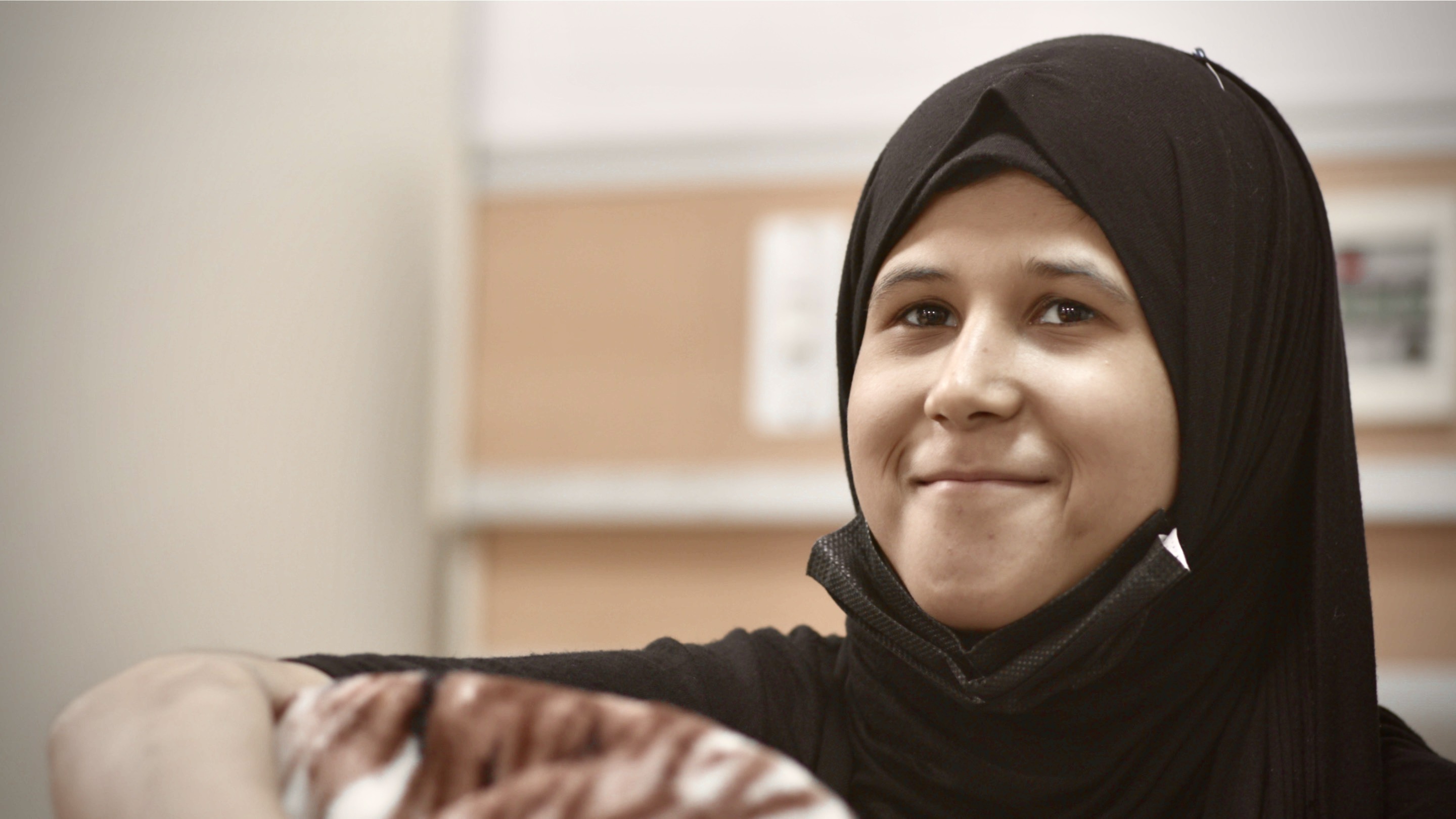
Fatima Falah Najem and her family live close to Rumaila on another of Iraq’s large oil fields, Zubair.
Fatima's home is surrounded by flare stacks — some less than 3km away, despite a provision in Iraqi law stating that flare stacks should be a minimum of 10km from residential areas.
Italian oil giant Eni holds a 41% interest in Zubair, according to oil industry analysts. Eni argues that it is technically a contractor for the Iraqi government, rather than a joint owner or operator of the field. The company states that it has no responsibility for flaring at Zubair, which falls on the field’s owner, state oil firm the Basra Oil Company.
The BBC met Fatima in the Basra Cancer Children’s Hospital in the summer of 2021. From her bed, the 13-year-old explained that she had been diagnosed with leukaemia in 2020 and later lost the use of her legs.
Since her diagnosis, her life had been dominated by trips to the hospital. By summer 2021, her condition had deteriorated to the extent that she needed to travel abroad for further care. Many cancer treatments are not available in Iraq, meaning patients have to go to countries like India, Turkey, or Iran.
“Fatima Falah is a star,” her doctor Hossam Mahmood Salih told the BBC. “Right now chemo is no longer enough. She needs a bone marrow transplant. Without this operation, it will be difficult for her to get better. She needs to find a donor and they need to be a 100% match.” He hoped that one of her brothers or sisters would be a suitable match.
Sat on the edge of her bed, Fatima was calm, stoic even, but became quiet as her doctor explained the next phase of her treatment. “You’re responding well, don’t worry. Your news is good,” he reassured her as she fought back tears, then buried her face in his side as he patted her shoulder.
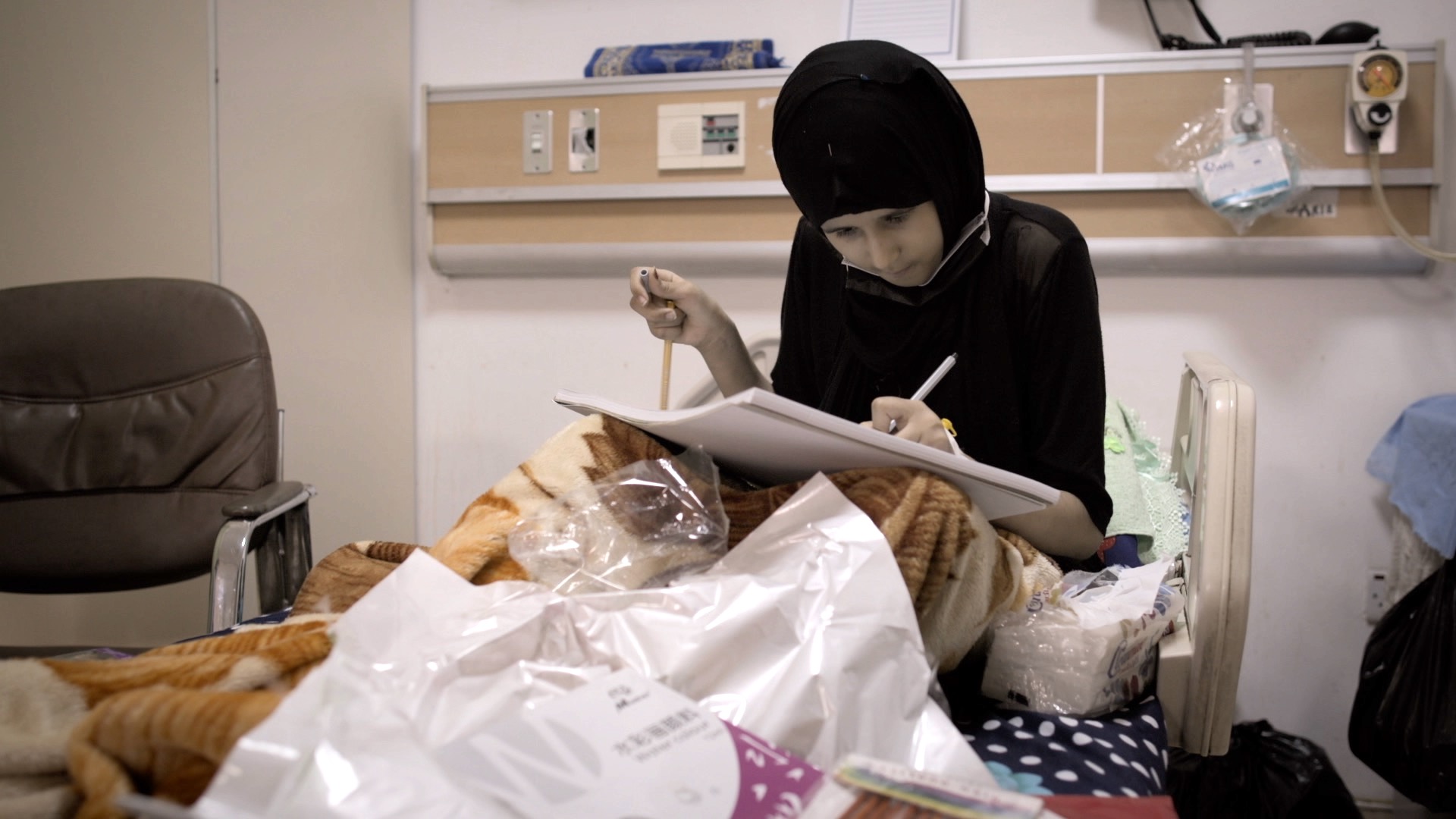
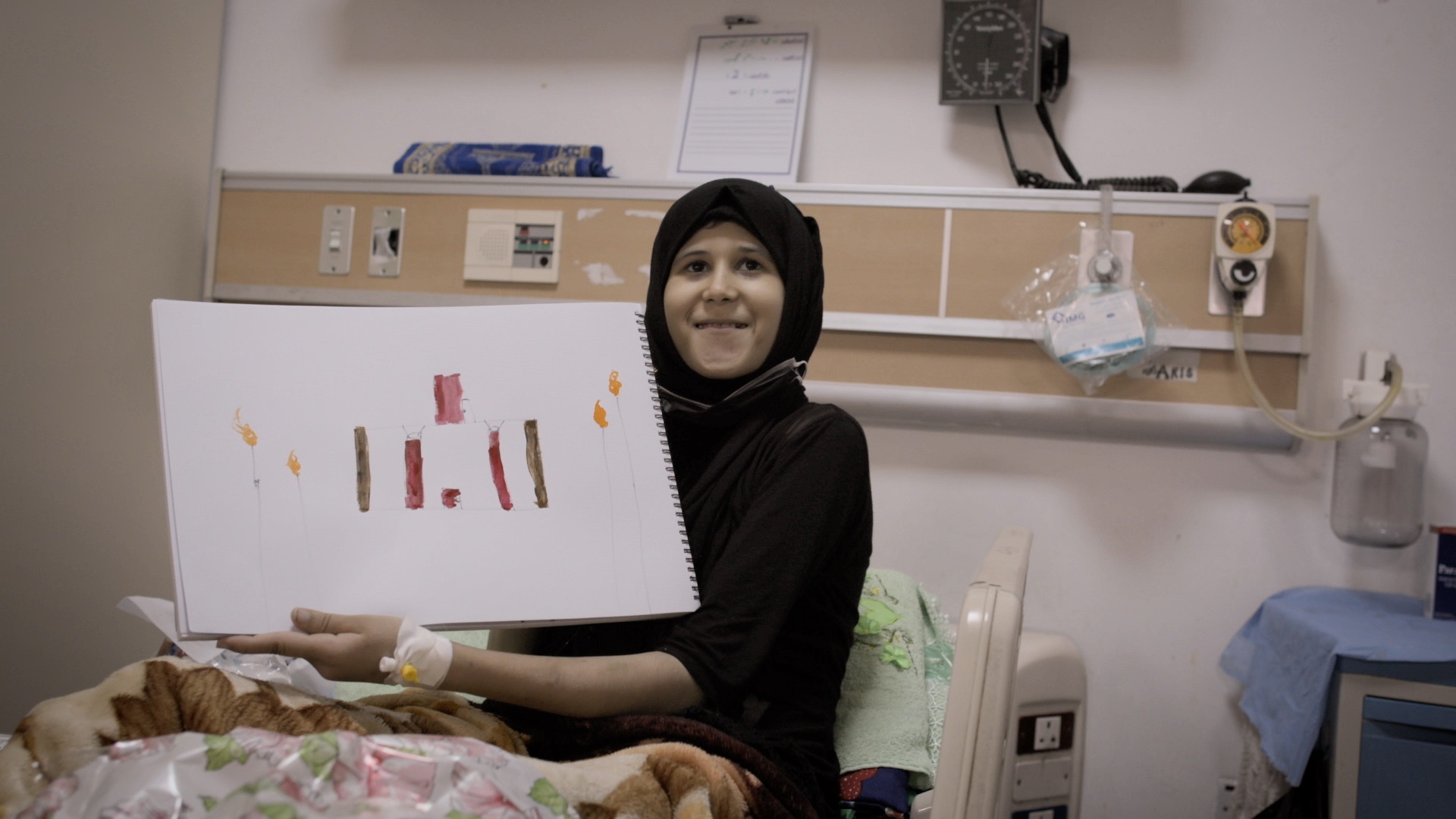
Later, propped up in bed, a sketch pad in front of her, she painted a picture of her family’s home. “These are the fiery flares, we can see them from our farm. Smoke comes off them,” she said.
“I've drawn a bit of the flare. I like to see them. This isn’t too bad. Let me just finish and I'll show you,” she held up her painting, a house complete with bright orange flames in the background.
Pollution monitoring
Frustrated by the lack of publicly available data and determined to get an insight into how ordinary people might be being affected by flaring pollution, the BBC carried out its own pollution monitoring in communities near oil fields in southern Iraq, with advice from independent scientists and the Greenpeace Science Unit. Samples were analysed by independent labs in the UK and Europe.
In January 2022, the BBC placed passive diffusion tubes in 13 locations around Basra in areas between 100 metres and 6km from the nearest gas flare, to sample for VOCs, including benzene, for a period of two weeks. This sampling followed a method approved by the US Environmental Protection Agency (EPA).
The monitoring found high levels of benzene in all 13 locations, ranging from 2.7 micrograms per metre cubed of air (µg/m3) to 9.7µg/m3. The World Health Organisation states there is no safe level of benzene exposure, while the Iraqi government sets a legal limit of an annual average of 3µg/m3 benzene.
This limit was reached or exceeded by monitoring in four sites near oil fields, including Rumaila, Qurna, and two locations in Nahran Omar.
Urine samples were also taken from 52 Iraqi children living near gas flares at different oil fields in southern Iraq. The decision was made to monitor children because they are less likely than adults to be exposed to other sources of pollution such as smoking or industrial work.
The samples were analysed at a toxicology lab in Belgium for Polycyclic Aromatic Hydrocarbons (PAHs). This analysis measured the levels of the chemical 2-Naphthol (2-NAP), which is a metabolite of naphthalene. Naphthalene is released during the burning of fossil fuels.
2-NAP is associated with damaging health effects and is classed as a possible carcinogen. Peer reviewed research — including a study published by Columbia University — suggests that high levels of 2-NAP may lead to health problems including chromosomal aberrations, indicating an increased risk of cancer. In the Columbia paper, high levels were deemed to be those above 5.8µg/m3.
High levels of benzene were found from air pollution across southern Iraq. While urine sampling revealed that many children had high levels of 2-NAP in their bodies.
These sampling efforts represent a snapshot: the air pollution monitoring results are from two weeks of sampling in January, and the figures represent an average of that period. There may have been days where pollution was higher or lower, and pollution levels often change with weather conditions and seasons.
It’s also possible that the sampling picked up benzene from other sources, such as cigarette smoke or passing cars. However, most of the locations chosen were rural and far from busy roads, while the highest levels of benzene were found closest to a flare stack.
It’s likely that at certain times and in certain places around the oil fields, concentrations of benzene are even higher than these results. These measurements were taken in residential areas, ranging from 150m (in Nahran Omar) to 10km, or six miles, away from the nearest flare. Monitoring by regulators in countries like the US usually takes place at the fenceline of the oil and gas facility.
Frank Kelly, an air pollution expert and professor at Imperial College London, told the BBC: “I just look at the benzene data and we're seeing values from 1.3 up to 9.6µg/m³ and immediately that causes some worry to me. The World Health Organisation has said that there is no safe level of benzene, no safe level at all.”
Kelly noted that “longer term exposure has been linked to the development of certain cancers, such as acute myeloid leukaemia”. He warned that long-term exposure to pollution at this level would be extremely damaging to children’s health and called for more monitoring, describing the BBC’s work as “strong pilot data”.
Manuela Orjuela-Grimm, assistant professor of epidemiology and paediatrics at Columbia University in New York, who led the research on the previously mentioned study, also said the urine sampling should be used as a starting point for more monitoring.
“The children have strikingly high levels of metabolites of PAHs in their urine. That’s certainly concerning for their own health and suggests that they should be monitored.”
When questioned over these findings by the BBC, Iraq’s oil minister, Ihsan Abdul-Jabbar Ismail, claimed levels of benzene were high “because of the types of engines in cars” in southern Iraq.
He added: "Yes, the use of hydrocarbons is part of the problem, because we have more than seven million cars but it does not constitute the largest part.”
The minister also said that in 2017, Basra’s health department was commissioned by an unidentified Iraqi oil company to look at the reasons for the increase in cancer in some areas in Basra. This report “concluded that oil extraction has nothing to do with the increase in cancer rates”, he said. The oil ministry refused the BBC’s request to see the report.
Asked about benzene levels at Rumaila specifically, Ismail said: “BP is responsible for all environmental and health measures in this field. We will request a report on this subject to confirm the percentage of benzene.
“If this really poses a risk, then BP, the British oil company, is responsible for managing this issue, and I will investigate the matter.”
In response to these findings, a spokesperson for BP said: “We are extremely concerned by the issues raised by the BBC — we will immediately review those concerns and work with our partners on any necessary interventions. We are fully committed to supporting further improvements at this vitally important field for Iraq.”
A spokesperson for Eni said: “Eni monitors its activities in line with best practices, and continues to be a major investor in wider healthcare system improvement across Iraq. Eni strongly rejects the links that you are making between its responsibilities as a contractor in the work you are doing to assess the impact of flaring on human health.”
The spokesperson added that Eni conducts its own air testing “related to its strict area of operations”; its most recent survey, in November 2021, recorded levels “within acceptable ranges”.
Hidden emissions
At Zubair, where Fatima and her family live, last year, 2.61 billion cubic metres of gas was flared, according to our analysis, leading to emissions of 7.31m tonnes CO2e, a significant rise on the previous year.
If you took Eni’s 41% interest in Zubair to mean it is accountable for 41% of the field’s emissions, its share of flaring emissions from the field would stand at 3m tonnes CO2e in 2021.
Like BP, Eni counts its Iraqi asset as non-operated, meaning it is excluded from the company’s annual climate reports showing flaring emissions.
Eni’s self-declared flaring emissions for 2021 for all its operations worldwide stood at 7.14m tonnes CO2e. That means that if Eni had included Zubair in its final flaring figures, the company’s annual emissions from flaring would have increased by over 40%, according to our analysis.
Eni has boasted in the past about its efforts to “improve the use of associate gas” at its project in Iraq.
In response to this story, Eni stated that as it is not the operator of Zubair and has no responsibility for the high levels of flaring at the field. A company spokesperson said: “Eni’s declared flaring figure does not include emissions from Zubair, according with international accounting rules and in line with technical service agreement. Responsibility for flaring is assigned to BOC (Basra Oil Company).”
Eni, BP and the Iraqi government are all signed up to an initiative by the World Bank to eliminate routine flaring by 2030, an effort to address climate change and “advance the sustainable development of producing countries”.
In BP's latest submission to the initiative, the company stated that just 3% of its flaring in 2020 was routine, a number that would be blown out of the water if Rumaila — where virtually all flaring is routine — was included.
A spokesperson from the World Bank acknowledged that its Zero Routine Flaring commitment does not include non-operated gas flaring. A statement from the organisation read: “All parties involved in oil production are encouraged to use their expertise and resources to eliminate routine flaring at all sites, whether or not they operate those sites”. The organisation also acknowledged that contractual arrangements may mean that companies do not have direct control or rights over associated gas at some fields.
BP has committed to reach net zero emissions by 2050. As part of that it has pledged to eliminate routine flaring by 2030 and install methane monitoring “at all existing major oil and gas processing sites by 2023, publish the data and then drive a 50% reduction in methane intensity of our operations”. The company’s work in Iraq is not included in these commitments.
Mark Davis from Capterio said: “Investors are increasingly realising that companies should be striving for the same reporting and operational standards across all their assets, and should be promoting greater transparency.”
Companies signed up to the UN-backed Oil and Gas Methane Partnership (OGMP), which includes BP, will have to report non-operated flaring by 2025. Unearthed has learned that Rumaila will not be included in this disclosure.
Shell in Oman
It is not uncommon for major oil companies to partner with firms owned by national governments. Shell has a 34% stake in Petroleum Development Oman (PDO), which is owned by the Omani government. Last year, PDO fields in Oman flared 1.15bcm of gas, leading to 3.22m tonnes CO2e.
Shell’s flaring across all its operated assets worldwide led to emissions of 4.5m tonnes CO2e last year. If a share of PDO’s flaring equivalent to Shell’s stake were included in its numbers, its flaring numbers would increase by 24%.
Unlike some of its rivals, Shell does record emissions from non-operated assets in its climate reporting, Unearthed understands, but only as a total figure showing scope 1 and 2 emissions from for all its non-operated assets worldwide. It provides no detail on which emissions come from flaring or from other types of activities, and offers no information about where in the world the emissions were released.
Dominic Watson from the Environmental Defense Fund, an organisation that has published research on emissions reporting, said: “Methane emissions and flaring from non-operated joint ventures are an enormous climate shortcoming across the global oil and gas industry, as over half of supermajor oil and gas production stems from non-operated assets, many of which are run by state-owned enterprises.”
He added that oil majors had “largely failed in both convincing many of their joint venture partners that methane and flaring are critical climate and business issues to be addressed, and equipping them with the technical and financial resources to address this challenge.”
A giant methane plume
In 2011, Shell struck a deal with the Iraqi government to collect gas from Rumaila, Zubair, and West Qurna 1. The company formed a joint venture — alongside Japanese firm Mitsubishi and an Iraqi company — called the Basra Gas Company (BGC). BGC was supposed to revolutionise the Iraqi oil industry, but the firm has struggled and flaring has remained high.
On 27 and 28 October 2020, a giant plume of methane measuring 120 tonnes an hour was detected emanating from a gas compression facility run by BGC.
To put that in context, if that level of emission continued for a year, the methane coming from that single facility would be equivalent to about half of all anthropogenic methane emissions from the UK.
The discovery was made by scientists at the SRON Netherlands Institute for Space Research, using cutting-edge satellite technology, and shared with Unearthed and the BBC.
The plume was not the only one SRON spotted, though it was the largest. In 2020 and 2021, the scientists spotted eight further “super-emissions”, measuring at least five tonnes per hour — even though efforts to detect emissions were hampered by the thick black smoke from flaring that coats much of southern Iraq.
“The methane is just pouring out and that’s incredible,” said Ilse Aben, a senior scientist at SRON, discussing the October emission. “Particularly because these emissions are avoidable.”
A spokesperson for Shell, referring to the major plume in October 2020, said the company “believes that the operator, BGC, is aware of the issue with its venting flare system and is deploying operating controls to reduce methane emissions… Its business plans include other projects focused on flare system upgrades and repairs to further reduce venting and fugitive emissions.”
They argued that the emission in October 2020 was exceptional and that new technology, such as infrared cameras to alert the company of methane leaks, was being installed to prevent such incidents in future.
‘What is the solution? What can we do?’
Fatima died on 8 November 2021.
“Whenever we asked her what she wanted, she said she just wanted to get better,” her mother, Iman, told the BBC. “Every time I look at her pictures I cry.
“She spent her last moments in the ICU. That’s where she died. They took her there in the evening and I was the only one who stayed with her in the room.”
Iman continued: “I was hugging her and then I saw that her heart monitor had stopped. It dropped off and her heart stopped.
“She told the doctor she had pain in her heart, he comforted her and told her not to worry. I wanted to turn her on her side but she said her heart hurt and she could only lie on her back. Somebody came and helped her pray to ease the pain."
Fatima’s mother and father, Hasan, looked drained by grief; her siblings forlorn and prematurely aged. Their home is filled with her belongings: her toys, drawings, and clothes, including those that she was wearing when she died.
Later the family learned from monitoring carried out by the BBC that high levels of 2-NAP were found in the urine of children living in Zubair.
Again, the results are a snapshot. Levels may change day by day. The only way to know more is to do more monitoring. High levels of 2-NAP in childhood means an increased risk of health problems — such as forms of cancer — later in life, but such outcomes are not certain.
“What is the solution?” asked Hasan, when he saw the results. “What can we do? We are aware, we all know that the smoke and oil is harmful but what is the solution?”
‘What have the Iraqi people got out of oil?’
Iraq is one of the world’s most vulnerable countries to climate change.
Temperatures in Basra and other cities now regularly approach 50C in the summer. Water scarcity and the loss of farmland to desertification are real concerns. Diversifying the economy is another challenge — 99% of the country’s export revenue came from oil in the last decade.
Azzam Alwash is the climate and environment adviser to Barham Salih, Iraq's president. He claims that he is one of just a handful of people in government who understand the risks of climate change.
“The flaring has increased because we don't have the capacity to capture the associated gas. I've been told that we're burning something like $100m worth of gas every day,” he said.
“What have the Iraqi people got out of oil? They've got a war with Iran, years of sanctions, more war, instability... we haven’t got shit from oil. In 1960, our economy was the same size as South Korea. Look at South Korea today and look at Iraq, and South Korea does not have a drop of oil.”
Iraqi law suggests that those affected by pollution from flaring could be entitled to compensation. Air quality legislation passed in 2012 states: “the owner of a source of emissions causing pollution to ambient air conditions shall bear the cost of damages to the environment and health or costs of removing the pollution source and compensating the aggrieved, if it was proved that pollution emitted from the source exceeded specifications.”
People the BBC spoke with in Rumaila and Zubair said they had never received an offer of compensation from oil companies for the health problems they believe are due to the oil operations they live alongside.
“After I recovered I tried many times to get the companies to compensate me due to the fact I got sick because of the oil,” Ali told the BBC. “My father went to BP, but unfortunately I never got a response.”
Responding to this, BP informed Unearthed that the Rumaila Operating Organisation has long-standing procedures in place to receive and manage concerns or complaints from communities. BP also highlighted ROO’s work with the local community, which includes road building and the funding of community health clinics.
Eni rejected the suggestion that it might be liable to pay compensation to people who feel they have been affected by gas flaring from Zubair. A spokesperson said the terms of the company’s contract in Iraq “explicitly state that we do not have control of the strategy for the field, or the responsibility for flaring, flaring reduction projects or community compensation, all of which sit with BOC.”
The company is aiming to improve Iraq’s health system, the spokesperson added, including investing $32m in cancer diagnostics in Basra and separate support for the Basra Cancer Children’s Hospital.
Back in Rumaila, Ali likes to spend his free time gardening. He’s been able to grow a palm tree in his backyard. He hopes to grow a white mulberry tree too.
He runs his own shop in town, which has become a hang-out spot for local kids. He’s made a life for himself, even if he feels stuck in Rumaila. His illness interrupted his education at a crucial stage.
His younger nephew Abbas follows him everywhere, accompanying him when he travels around his hometown on his moped.
“I’ve parked here to look at this view that we’ve got so used to,” he pointed out the flare stacks as he filmed on his phone. “These are the houses of Rumaila. Look at all the smoke and the gases. It’s all coming towards our neighbourhood.”
“I hope in the future that these companies go away,” he said later. “That the emissions stop, so children can live in peace.
Thought provoking report wouldn't you say? There is always more than meets the eye to any of these wars and problems that are happening in the middle east. Unfortunately,money seems to be always at the bottom of it. Those people are being shafted by their own government and the big oil companies, but then again that could be said for the rest of the world too.
The blog song for today is: "Tell all the people" by the Doors
TTFN






 Critically Endangered
 Indonesia


