Translate

Friday, 4 December 2020

What has gone wrong with BlackFriday? It has turned into a 7daylong day.

When is Black Friday 2020? Best deals and discounts to ...


I have been a bit confused with the whole BlackFriday thing.   Since when did BlackFriday change from being a day (Friday) into a week? I was under the impression that it was a super dooper sale day on or around the end of November not a complete week and then running into CyberMonday!  

It seems that the first few years of the event were great with genuine reductions, but after that companies twigged onto the fact that were they to raise their prices for a while before BlackFriday it would look like the savings were real.  

This year was disappointing to say the least, the online companies were just selling all the stuff they couldn´t get rid of, I get that that was the whole reason for this supersale in the first place but it seems to have gone off the boil.Some of the high street shops raised their prices before and then discounted them for the sale.

Everyone and their dog is doing BlackFriday!  Unfortunately people have become aware that the reductions are not genuine and it has deterred them from going back to these shops, because they think that they are being duped!

If I want to buy something (after considering if I really need the item)there are online sites that have flash sales all year round and the same goes for shopping in the real world! 

I try to keep clothes for as long as possible and I buy a lot from the charity shops here, to me it is a way to help the environment and good causes. I have found some real bargains like levi jeans for 3 euros! 

I wonder what gimmick the retailers will come up with next to get us to part with our hard earned cash!

So stuff BlackFriday it is not what it was!

 The blog song for today is: "Lust for life" by Iggy Pop

TTFN


Thursday, 3 December 2020

Microbeads (Microplastics), how can we reduce them?


Recycling plastics isn't the answer

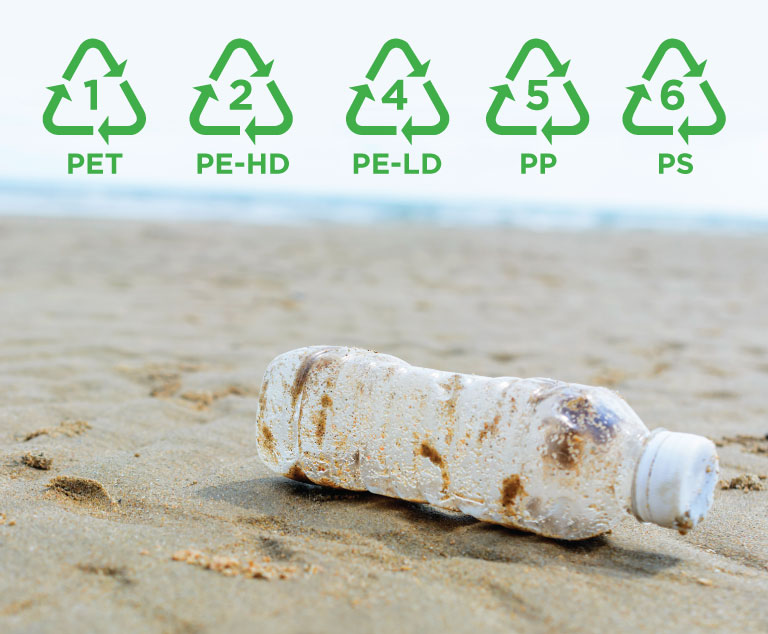
For many materials, recycling is a useful way of preventing pollution – but not for plastic. It just delays the inevitable escape of pollutants into the environment. And many plastics can only be recycled a few times before they become too low-grade anyway.

That's why we need to phase out all but the most essential plastics. We certainly don't need them in our clothes and textiles.

Think of it this way:

A plastic bottle is thrown away

  • It fragments into microplastics, which last for at least hundreds of years, spreading pollutants.

Or it's sent for recycling

  • There, it's probably made into polyester because it's easier and cheaper than turning it into a new bottle.
  • And maybe then put in a fleece.
  • At once it starts shedding plastic microfibres. 
  • They too find their way into the environment, and last for at least hundreds of years, spreading pollutants.

What can I do?

Without doubt, the best cure for plastic pollution is to phase out all non-essential plastics.

In the meantime, can we stop our clothes shedding millions of tiny plastic bits?

Research is still at an early stage but these suggestions are definitely worth trying:

1. Wash at low temperatures

A lower-temperature wash is less aggressive and therefore less likely to shake out plastic fibres.

2. Put your washing in a special bag

They claim to help collect the microfibres that shed from your clothes during washing.

3. Fill the washing machine

A full washing machine reduces friction between items – in other words, they don't rub against each other as much.

4. Reduce spin speeds

Faster spins dry clothes quicker but they also shake them up more, risking more plastics shedding.

5. Air dry rather than tumble dry

Tumble drying is more aggressive than air drying – and could cause your clothes to shed more plastic.

6. Use a front-loading washing machine

Tests show that top-loading washing machines probably release more plastic fibres.

7. Buy fewer fleeces

Polyester fleece could well be one of the biggest emitters of microfibres.

8. Keep your clothes for longer

Your clothes are likely to shed more plastic in the first few washes – so frequently changing your wardrobe will probably increase the amount of plastic you're sending into the environment. Buy higher quality clothes that last. I am a great fan of charity shops for second hand clothes, as well as doing my bit for the environment I also feel feel good about helping out!

The blog song for today is "I predict a riot" by the Kaiser Chiefs


TTFN


Wednesday, 2 December 2020

Clothes made with microplastics - AWFUL

 Here is some information I found from the Friends of the Earth Website, they are one of the oldest green campaigners that I know of.

"Microfibres: the plastic in our clothes

Could you be eating your own clothes? Our garments are shedding tiny bits of plastic that can escape into the ocean and potentially enter the food chain. 

It might surprise you, but you're probably wearing plastic clothes.

Even more shocking, your clothes may be leading to invisible plastics infiltrating our oceans and even our own bodies. A new report Reducing Household Contributions to Marine Plastic Pollution by research group Eunomia, commissioned by Friends of the Earth, reveals how your clothes are part of this worrying problem. Read on to find out  more, and get tips on how to clean up your wardrobe.

Many of our clothes contain plastics like polyester, nylon, acrylic and polyamide. In fact most new fabrics are made of plastic – up to 64% of them.

The thing is, every time we wash these materials they shed millions of plastic microfibres. Threads so small they can drain out of our washing machines and pass straight through wastewater treatment plants into the sea.

It gets worse. Once in our oceans they can absorb nasty chemicals. Disturbingly, sea creatures are eating these toxic fibres, potentially passing them up the food chain. Some studies have found them in seafood like mussels.

If you don't like the idea of eating your own clothes, we need to find alternatives to using plastic. 

Just to be clear, we haven't got all the answers yet and we're not asking retailers to press a magic button. But we are asking them to urgently look into ways of removing the most-polluting items from our shelves.Polluting our oceans and harming our wildlife should never be in fashion.

What is a microfibre?

Microfibres are a type of microplastic – particles of plastic below 5mm in size. Other examples of microplastics include:

  • bits from larger plastic items like bottles and bags that break down in the sea
  • pieces that wear away from tyres while driving
  • microbeads in cosmetics
  • and paints on buildings and marking roads.

Thinner than a human hair

A microfibre is a plastic-based thread that is thinner than a human hair. Certain products shed microfibres during their lifetime. For example, they wash out of our synthetic clothes.

Most of these tiny fibres derive from polyester. Its lightness and warmth and the fact that it’s quick-drying seemingly make it perfect for clothing. Your fleece jacket is made from this stuff.

Other common microfibres include nylon and acrylic. They’re hiding in our carpets, curtains and other household textiles, as well as our clothes.

Environmentally-friendly plastic clothing?

Some brands market polyester apparel as environmentally friendly because they use recycled plastic bottles to make it. That may sound like a good way to reduce plastic pollution, but we now know that these garments are shedding lots of plastic debris.

Washing machines and wastewater treatment plants aren't designed to trap the minute plastic fibres that our clothes shed during washing. Many of these fibres sneak into our waterways and ultimately the oceans. And lots are caught up in sludge at the treatment plants – which is then sprayed over our soils as fertiliser.

What happens when microfibres escape into the oceans?

Sea organisms like plankton can easily mistake these tiny plastics for food. In turn, many smaller animals and fish depend on plankton as their main food source – the great blue whale is also a plankton eater. Anything that dines on the plankton will get a dose of plastic pollution – potentially passing microfibres up the food chain.

These plastic fibres have even been found in mussels and fish destined for the dinner table. And there are other ways they might end up in your body too. Microfibres have been found in air, rivers, soil, drinking water, beer and table salt.

These fibres are tiny, so what's the problem?

They might be minuscule but these plastic pieces can absorb high concentrations of poisonous substances – some of which escaped into our oceans years ago. These include chemicals we once used in products like pesticides but are now banned, like DDT.

Even before the fibres reach the ocean there's a good chance they've soaked up toxins from detergents and fire-proofing chemicals. Some of these pose a threat to our liver, kidneys and nervous system. Others are toxic to aquatic life.

They're definitely not substances you'd want lurking in the food chain"

 So looks like no polar fleeces for me!  Good grief is there no escape from Plastic?  It is really hard to understand how it came to infiltrate all parts of our lives.

 It would seem like I have gone full circle and I need to buy less things made from plastic.

The blog song for today is: "Shangri La" by ELO


TTFN


The really bad thing about microbeads

 Find Out if Your Personal Products Still Have Plastic ...

I have been looking into microbeads lately and have found a great deal of information on a website called "Plastic Soup Foundation" (the address is on the right hand side of my home blog page).  This is what they have to say!

"What are microbeads/microplastics?

Microbeads are a kind of microplastic with specific function for scrubbing or exfoliating. In cosmetics, “microplastic” refers to all types of tiny plastic particles (smaller than 5mm) that are intentionally added to cosmetics and personal care products. They are often used as emulsifying agents or just as cheap fillers.
 
Why are microplastics a problem?

These microplastics, hardly visible to the naked eye, flow straight from the bathroom drain into the sewer system. Wastewater treatment plants are not designed to filter them out; that is how microplastics contribute to the ‘Plastic Soup’ swirling around in our oceans.

Sea animals absorb or eat microplastics; these particles can then be passed along the marine food chain. Since humans are ultimately at the top of this food chain, it is likely that we also ingest microplastics. Microplastics are not biodegradable and once they enter the (marine) environment, they are almost impossible to remove.

Using body washes or cosmetics that contain microplastics can put the ocean, ourselves, and our children at risk!

 Exposure to microplastics.

Up until now, there has been consistent evidence indicating that exposure to plastics and the additives therein may lead to a variety of health complications. We know that plastic particles have been found in human feces, but what does plastic actually do to our bodies?

Phthalates, for example, are a group of chemicals that can be found in hundreds of cosmetics such as nail polishes and hair sprays. These chemicals are known endocrine disruptors and may cause certain hormone-related cancers. We already know that many additives in plastic are considered extremely harmful, but there is no complete understanding of the effects of plastic itself on human health yet.

The health impacts of plastic in all its forms should be a major concern for all of us. We are exposing ourselves to chemicals that are proving to be dangerous to our health and to the health of our fellow species. This is alarming!

So what do we look out for when we are buying products to ensure that there are no microplastics in them?

RED FLAGS - Avoid anything with these ingredients in!

  • Acrylates Copolymer
  • Acrylates Crosspolymer
  • Butylene
  • Carbomer
  • Dimethicone
  • Ethylene
  • Methacrylate Copolymer
  • Methacrylate Crosspolymer
  • Methyl Methacrylate Copolymer
  • Methyl Methacrylate Crosspolymer
  • Nylon 
  •  Polyacrylamide
  • Polyacrylate 
  • Polypropylene 
  • Polyurethane 
  • Polyvinyl 
  • Propylene Copolymer or Polypropylene 
  • PVP 
  • Styrene Copolymer 
  • Tetrafluoroethylene 
  • Vinyl Acetate Copolymer 
  • VP/VA Copolymer  "                                                                                                                         
So these ingredients are definately to be avoided! If you don´t have the time for this, download the BTMB app (plastic soup foundation) and it will do it for you simply by using your phone as a barcode scanner.

The blog song for today is: "Park Life" by Blur

TTFN

Tuesday, 1 December 2020

Cleaning with natural ingredients: Part 3 - Lemons!

What Are Lemons Good For? - Mercola.com 

Have extra lemons or a bottle of lemon juice that you rarely use? There’s a reason that plenty of cleaning supplies have citrus in them; lemons are a natural disinfectant and stain remover because of their acidity. As an added bonus, lemons will leave your house with a pleasant smell. Here are some common tasks where lemons (or bottled lemon juice) can lend you a hand.

In the kitchen:

  • Clean laminate worktops and cutting boards: Squeeze the juice of a lemon onto the worktop or cutting board. Rub the lemon into the stains and let sit until the stains disappear, then rinse. (Although lemons do have antibacterial properties, it’s advisable to seek out alternatives for cleaning surfaces that have been touched by things like raw meat to ensure you and your family members don’t get ill.)
  • Remove stains from food storage containers: Squeeze the juice of a lemon into the containers, then add a little bicarbonate of soda. Rub the mixture into the stains. Leave it to sit overnight if necessary.
  • Clean your microwave: Slice a lemon, put it in a bowl of water, and microwave for 45 seconds. This should make stains easier to wipe away and get rid of nasty smells.
  • Control odour in your fridge: Store a half a lemon in your fridge, uncovered, to help eliminate unpleasant smells.

In the bathroom:

  • Remove lime scale from taps: Rub the fixtures with lemon juice and leave it to sit overnight. Rinse in the morning.
  • Tackle grout stains: Make a paste from lemon juice and 1 teaspoon of cream of tartar (a natural bleaching agent) and apply to the area with a toothbrush. Once the stain is gone, rinse with water.

Throughout the home:

  • Clean glass: Mix 3 tablespoons of lemon juice with 1 cup of water in a spray bottle. Shake the mixture, spray it on the glass, and clean as usual.

Miscellaneous:

  • Remove rust stains from clothes: Apply lemon juice to the stain, sprinkle with cream of tartar, and rub into the fabric. Let sit until the stain is gone and then wash in the washing machine.


Monday, 30 November 2020

Guess what! Not all paper can be recycled!


Pizza Boxes and Used Paper Towels and Plates

Many people assume that pizza boxes are recyclable. Most boxes have recycling symbols on them and are traditionally made from corrugated cardboard. They are, in and of themselves, recyclable. However, what makes parts of them non-recyclable is the hot, tasty treat that comes inside — or, more specifically, the grease and cheese from pizza that soil the cardboard.

Food is one of the worst contaminants in the paper recycling process. Grease and oil are not as big of a problem for plastic, metal, and glass, as those materials are recycled using a heat process.

But when paper products are recycled, they are mixed with water and turned into a slurry. Since we all know water and oil don’t mix, the issue is clear. Grease from pizza boxes causes oil to form at the top of the slurry, and paper fibers cannot separate from oils during the pulping process. Essentially, this contaminant causes the entire batch to be ruined. This is the reason that other food-related items are non-recyclable (used paper plates, used napkins, used paper towels, etc.).

Shredded Paper

When you shred paper with a paper shredder, you dramatically decrease the value of the paper because you shorten the length of the paper fiber, which is the source of value of the paper

Oftentimes, paper mills won’t accept shredded paper because of the difficulties it creates during the sorting process. Photo: Flickr/Peat Bakke

Shredded paper has a lower value to recyclers because of its shortened fibre length. Photo: Flickr/Peat Bakke

Nice white computer paper has a long, strong fibre, and every time you recycle that paper, the fibre gets shorter. If done properly, that computer paper can be recycled six to eight times.

However, if you shred that same crisp computer paper, you’re lucky if it can even be recycled once. Commonly, paper mills won’t accept shredded paper because of the difficulties it creates during the sorting process.

If you have a document that is semi-confidential, rip it by hand three or four times, then throw it into the recycling bin. For documents that absolutely require shredding, locate a resource in your area that specifically handles shredded paper for recycling.

Brightly Colored Paper

Believe it or not, bright paper can stop a whole batch of paper from being recycled. The idea behind this one is simple. “It’s like the red-sock-in-the-white-load syndrome,”  If you need to buy colored paper, avoid really rich colors and opt for pastels. Paper mills can usually handle the lighter tones.

Paper Coffee Cups

Currently, only a few places accept paper coffee cups (also called hot cups) for recycling. The thin polyethylene plastic coating on the cups that helps prevent liquid leaking makes it difficult for most processing services to recycle the cups.


Sunday, 29 November 2020

Why pouring cooking oil down the sink is not a good idea!


Most of the blockages in the sanitation networks are caused by the oil that is thrown down the drains, since it adheres around the pipes reducing their discharge flow.
    • Cooking oil is an organic product, therefore, when it is dumped down the drains, it becomes food for rats, cockroaches, worms, etc.
    • The purification of oil in water is very expensive, therefore, it increases the economic costs of the municipal purification service.
    • On the other hand, cooking oil can be reused, since it is the raw material (after being treated) for the production of biofuels, which pollute 80% less than the rest of gasoline and oil due to its low CO2 emission.

Therefore, if we recycle used cooking oil:

    • We eliminate a polluting residue
    • We improve the reuse of treated water
    • We make wastewater treatment processes cheaper
    • We reduce the degradation and obstruction of sanitation systems
    • We reduce the probability of proliferation in living organisms in sanitation networks
    • We reduce energy dependence on the outside

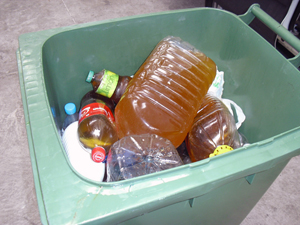
The process to recycle oil begins in the houses, bars, restaurants or hotels that decide to save the oil instead of throwing it away.

WHAT PROCESS IS FOLLOWED ON MENORCA?


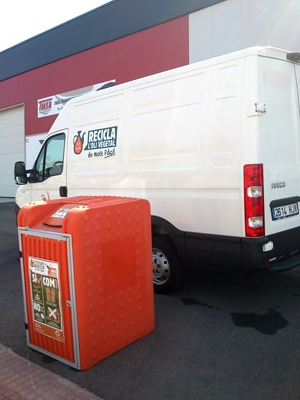
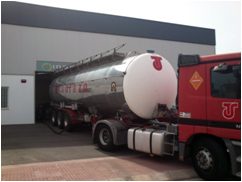
COLLECTION. With the fleet of vehicles at INGENI MEDI AMBIENT, the used vegetable oil is collected, both from street containers and drums distributed by catering establishments.


EMPTYING AND CLEANING. The oil from the catering establishments is poured and filtered, and then the drums are cleaned, which will be reused for subsequent collection. 

As for oil collected from the roadside containers, all the containers are emptied, later the containers are also recycled and we contribute the caps to social projects. 

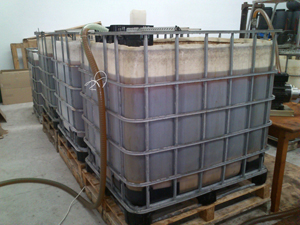
SEPARATION OF PARTICLES AND WATER. The oil is allowed to settle because the particles and the water need to be separated.


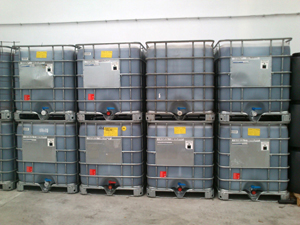
 STORAGE. It is stored in special containers.


SHIPPING. It is sent to a recycling plant outside Menorca and BIODIESEL IS MANUFACTURED.


The blog song for today is : "Milk and Alcohol" by Dr Feelgood

 TTFN

Saturday, 28 November 2020

TerraCycle - the recycling programme with a difference


I have come across a company called TerraCycle that helps you recycle things that cannot be recycled.

Here is some information from their website

"What is TerraCycle?

TerraCycle is Eliminating the Idea of Waste® by recycling the "non-recyclable." Whether it's coffee capsules from your home, pens from a school, or plastic gloves from a manufacturing facility, TerraCycle can collect and recycle almost any form of waste. We partner with individual collectors such as yourself, as well as major consumer product companies, retailers, manufacturers, municipalities, and small businesses across 20 different countries. With your help, we are able to divert millions of pounds of waste from landfills and incinerators each month."

I went to their British website and was absolutely amazed at the range of free recycling programmes available there!  

Unfortunately when I went to the Spanish site there were not as many yet, but there was a programme for beach cleaning which would be fantastic for us here on Menorca!

Thumbnail for Programa de reciclaje de plásticos en playa

 There is also one for used pens and writing materials


Thumbnail for Programa de reciclaje de instrumentos de escritura

 There is also one for used pharmaceutical rubber gloves.

Thumbnail for Programa de reciclaje de Guantes de Nitrilo KIMTECH™


I have registered and am waiting for more information on how to use this service!

This all looks really interesting!

The blog song for today is: "Mr Blue Sky" by ELO


TTFN


Friday, 27 November 2020

Are Tetrapaks recyclable?

What is a Tetra Pak made from?

Tetra Paks are made up of a number of components which are layered: paperboard (made from wood), polyethylene (a type of plastic) and aluminum. These different components give Tetra Paks their unique properties: keeping the liquids in but the microbes out, and a strong but lightweight container.
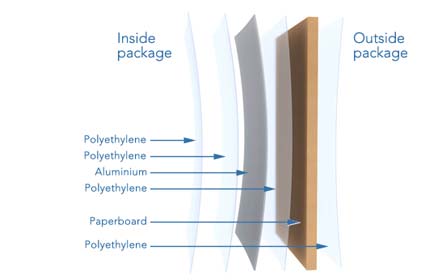
Packaging material, aseptic carton package

When a Tetra Pak is recycled, all these component parts need to be separated out.

What Does Recycling Mean?

Whilst recycling can be thought of as a way of converting waste into a new material, more accurately it means a process to return material to a previous stage in a process that operates as a cycle. After all, the word is “re-cycling”. The idea is to take a used product and turn them back into the same type of product, such as glass bottles being melted down and formed into new glass bottles. There is no loss of quality, so this recycling of glass can go on forever.

When a product doesn’t get turned back into the same product, but one of lesser quality (as with plastic recycling) it isn’t recycled, it’s downcycled. Products that are downcycled often only undergo a limited number of cycles (maybe as few as 2) before reaching the end of their useful lives and ending up in landfill.

For Tetra Pak to be truly recycled, these layers of paperboard, polyethylene and aluminium would need to be separated out, and reformed to make new Tetra Pak cartons. However, that isn’t what happens.

Why Tetra Paks aren’t Sustainable

If Tetra Paks are recyclable, why aren’t they green? Let’s look at the different components, where they come from and what happens to them once the cartons are empty.

Paperboard (Wood)

Tetra Pak have devoted a significant amount of their website space to telling customers how sustainable their containers are. As well as talking at length about Tetra Paks being recyclable, they inform us that Tetra Pak source FSC-certified wood for 41% of their cartons worldwide (2013 figure). This equated to 32 billion FSC-labelled Tetra Paks reaching consumers in 2013.

Let’s look at this another way.

If 32 billion containers is 41%, then the amount of non-FSC wood Tetra Paks reaching consumers would be 46 million. 46 million containers made from non-renewable sources? That is a lot of wood. Tetra Pak might have a goal to reach 100% FSC-wood, but it isn’t happening now.

When this paperboard is recycled, it isn’t turned back into new Tetra Paks. It is unclear whether this is because their paperboard needs to come from virgin sources to avoid contamination (as is the case with plastic), or whether the quality of the recycled paperboard isn’t high enough to make new cartons, or some other reason. Whatever the reason, it is turned into office paper.

Plastic and Aluminium

The other two layers of the Tetra Pak, polyethylene (plastic) and aluminium, cannot be separated by the recycling process and remain combined as a “polymer”. The uses for this “polymer” is in the cement industry, or as low-cost housing material. The question arises, is there a genuine demand for this product, or is there a market because of an abundant supply of this waste material?

The fact that it gets reused and isn’t sent to landfill is great, except it doesn’t serve to make Tetra Paks a “green” solution. These cartons use fresh plastic and aluminium to make their cartons, and the waste products becomes something else entirely. Thus it is a linear system, not a cycle – and anything that is linear cannot be sustainable long-term.

A Word on Recycling Tetra Paks

The other thing to alwyas remember about recycling, is just because something can be recycled, it doesn’t mean that it will be recycled. The two are very different.

The Conclusion

Tetra Pak may want to be sustainable; they may want to use 100% FSC wood and achieve 100% recycling rates, but they still have a long way to go. Even if they achieve this, there’s no getting away from the fact that Tetra Pak production is a linear process. Tetra Paks are turned into different post-consumer products, meaning a constant supply of fresh virgin material (wood, oil and aluminum) is needed for their manufacture.

So after we drop our empty Tetra paks into the yellow container, they do go to a recycling plant but are not made into new Tetra paks but something else. That is a huge problem because there are a lot of products in Tetra pak containers but finding alternatives is not too difficult. 

The blog song for today is : "Perfect Day" by Lou Reed


TTFN


Wednesday, 25 November 2020

Recycling Cans - Aluminium and Steel


Aluminum Cans: Recycling Process Of Aluminum Cans

Overview

Many of the food and drink products we buy are packaged in cans made from either aluminium or steel and both of these materials can be recycled after we have finished with them to make either new cans or other products.

Did you know?

Recycling aluminium uses only around 5% of the energy and emissions needed to make it from the raw material bauxite. The metal can be recycled time and time again without loss of properties, so getting the aluminium recycling habit is one of the best things we can do for the environment.

Steel can also be recycled time and time again without loss of quality; by simply recycling our steel cans we can conserve non-renewable fossil fuels, reduce the consumption of energy and the emission of gasses like carbon dioxide into the atmosphere.

How is it recycled?

Aluminium cans

  • Aluminium cans are shredded, removing any coloured coating.
  • They are then melted in a huge furnace.
  • The molten metal is poured into ingot casts to set. Each ingot can be made into around 1.5 million cans.

Aluminium foil is a different alloy and is usually recycled separately with other aluminium scraps to make cast items such as engine components, where it makes a big contribution to making vehicles lighter and more energy efficient.

How is Aluminium Recycled? The Aluminium Packaging Recycling


"Precyclying" - a short explanation from the gang at earth911.com

A report by: Taylor Ratcliffe, he is Earth911's customer support and database manager. He is a graduate of the University of Washington....